Total Arts
Mu Han is a Total Martial Arts System. Each art is studied as its own distinct discipline — its own focus, methodology, and tools — so students master each in its purest form.
· Discipline 01 ·
World Taekwondo
A South Korean art dedicated to the cultivation of character through physical movement. By utilizing a sophisticated system of kicks, strikes, and tactical footwork, students learn to channel their energy and foster internal discipline. It is important to distinguish that while "World Taekwondo sparring" is recognized as an Olympic sport, Taekwondo itself is a comprehensive martial art focused on self-improvement and tradition.
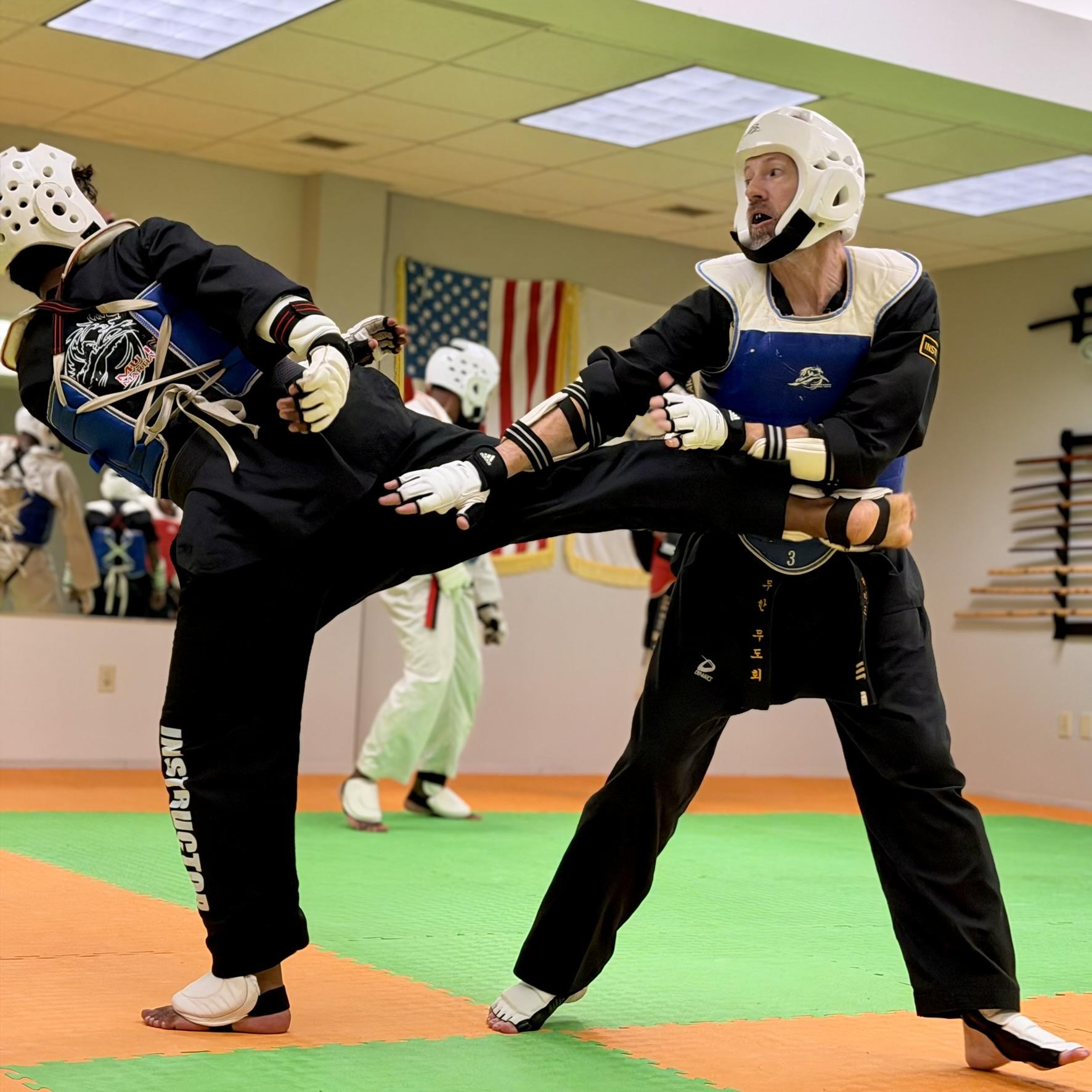
Originally developed to instill discipline within South Korea's military, Taekwondo forms the core of our training. Through dedicated physical action, our students cultivate focus, respect, and self-restraint. Only once this foundational discipline is proven do we apply those same principles to our other martial arts. Without this groundwork, we cannot truly call ourselves Total Martial Arts. We are Total, not mixed.
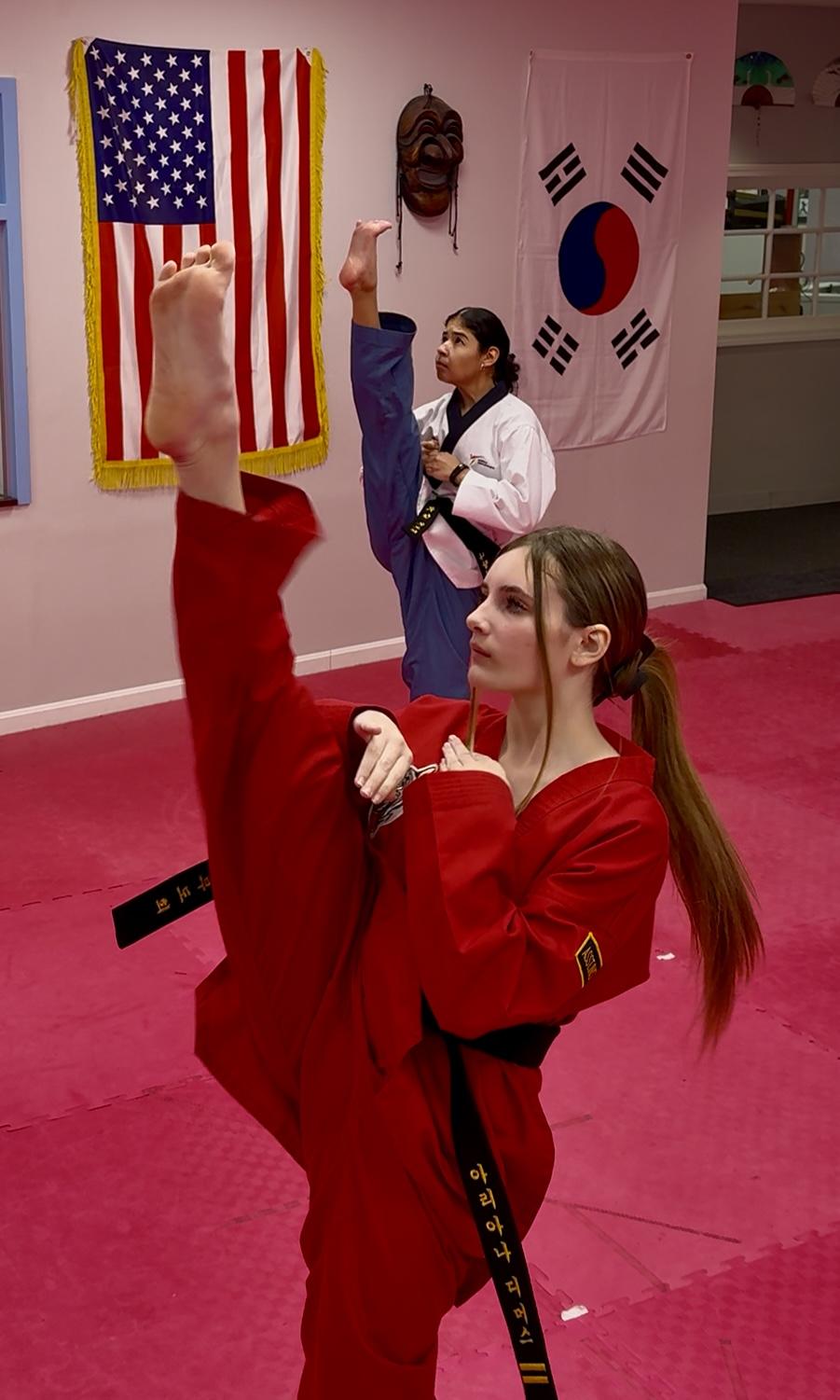
Officially certified through Kukkiwon.
· Discipline 02 ·
Moon Moo Kwan Taekwondo
A South Korean martial art that bridges the gap between ancient weaponry and modern combat methodology. This system preserves the tactical legacy of traditional battlefield arts, adapted into a structured curriculum for the contemporary student.
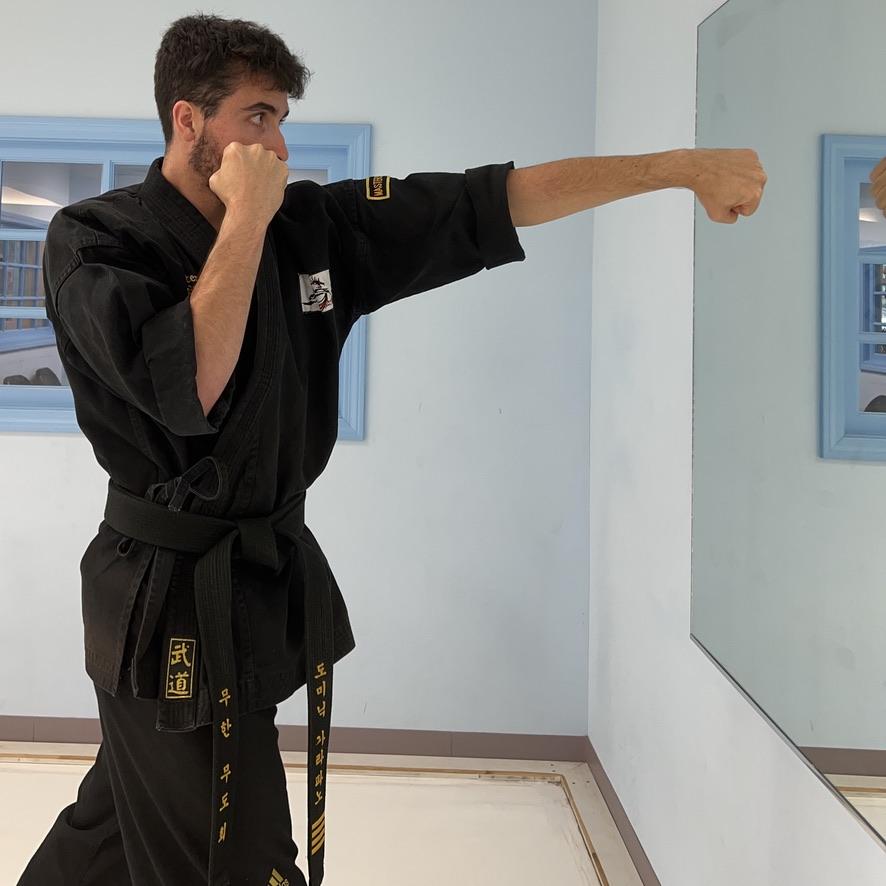
Train directly at the source. As the international center for the Moon Moo Kwan Federation, Mu Han Total Martial Arts offers authentic instruction in body mechanics, combat strategy, and the core philosophy of Moon Moo Kwan Taekwondo.
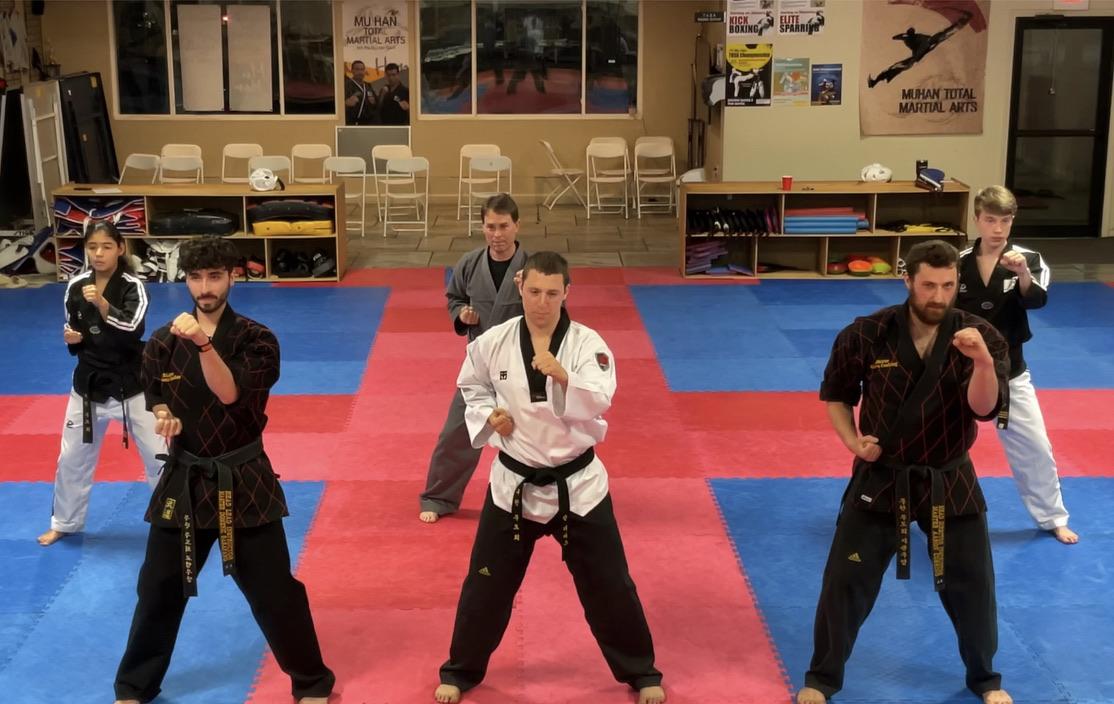
Officially certified through the International Moon Moo Kwan Federation.
· Discipline 03 ·
Kung Fu
Sip Pal Ki / Jing Wu / Wu Shu
Sip Pal Ki
Sip Pal Ki, or "The Eighteen Skills," is a comprehensive system derived from the historic military manuals of the Joseon Dynasty, most notably the Muyedobotongji. Developed to standardize the defense of the nation, it is a sophisticated martial tradition that spans the full spectrum of combat. The curriculum is uniquely structured, encompassing eighteen distinct categories of training that include long-range weaponry, polearms, sword mastery, and specialized empty-hand combat. By preserving the tactical wisdom and rigorous training methods of Korea's ancient royal military scholars, Sip Pal Ki provides students with a complete understanding of battlefield mechanics, distance, timing, and the fluid integration of diverse combat tools.
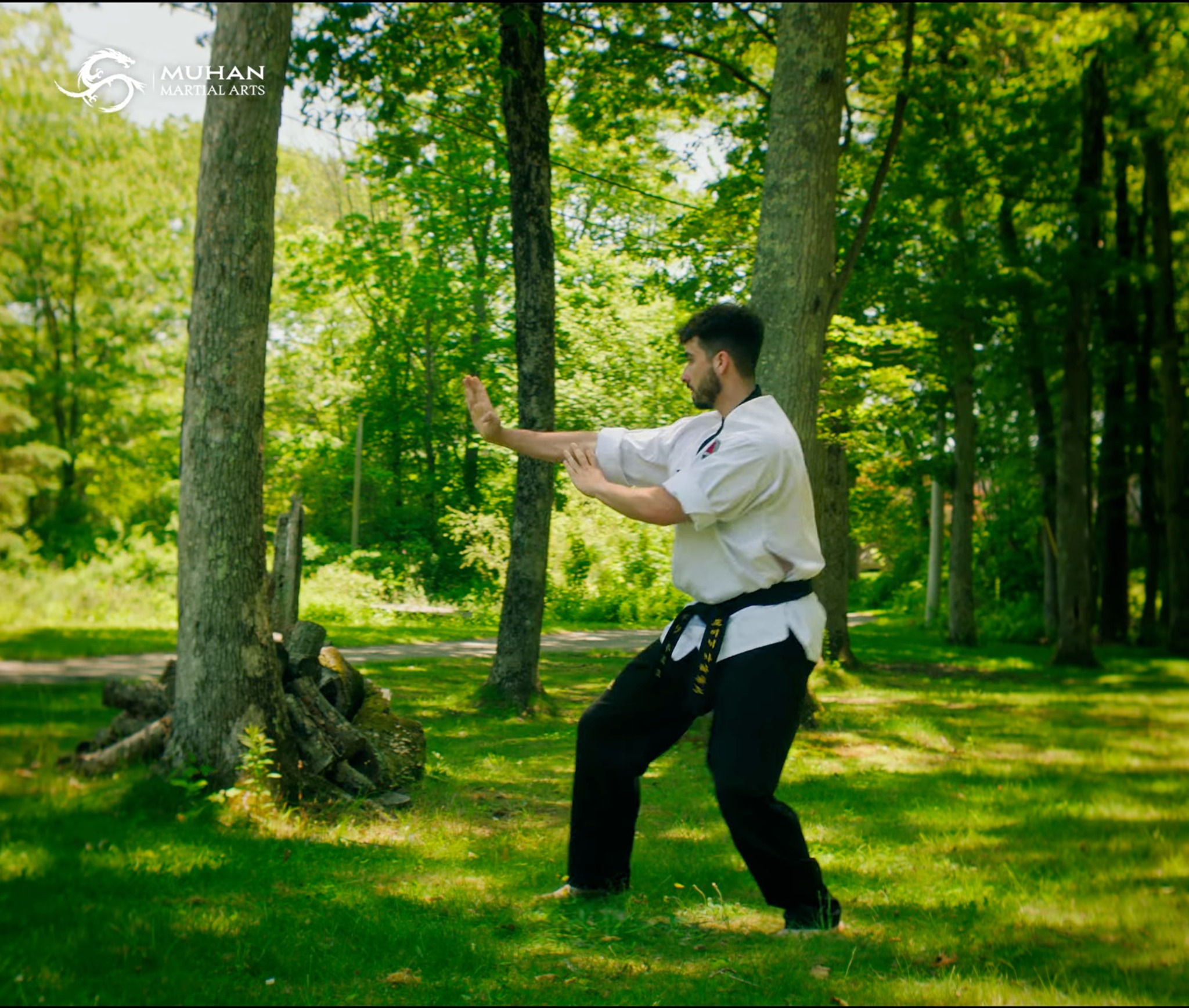
Jing Wu Kung Fu
Jing Wu, or the "Jingwu Athletic Association," stands as one of the most influential movements in the history of modern martial arts. Founded in 1910, it was the first organization to modernize the teaching of Chinese martial arts, transforming them from guarded, lineage-specific secrets into a structured, professional, and accessible public curriculum. Jing Wu is defined by its breadth; it synthesizes the best techniques from various Northern and Southern Chinese styles, including powerful leg work, intricate hand-to-hand combat, and traditional weaponry. Because it was designed to build both personal vitality and national strength, the system emphasizes technical precision, athletic conditioning, and the standardizing of forms, ensuring that students develop a high level of functional capability through a clear, disciplined educational framework.
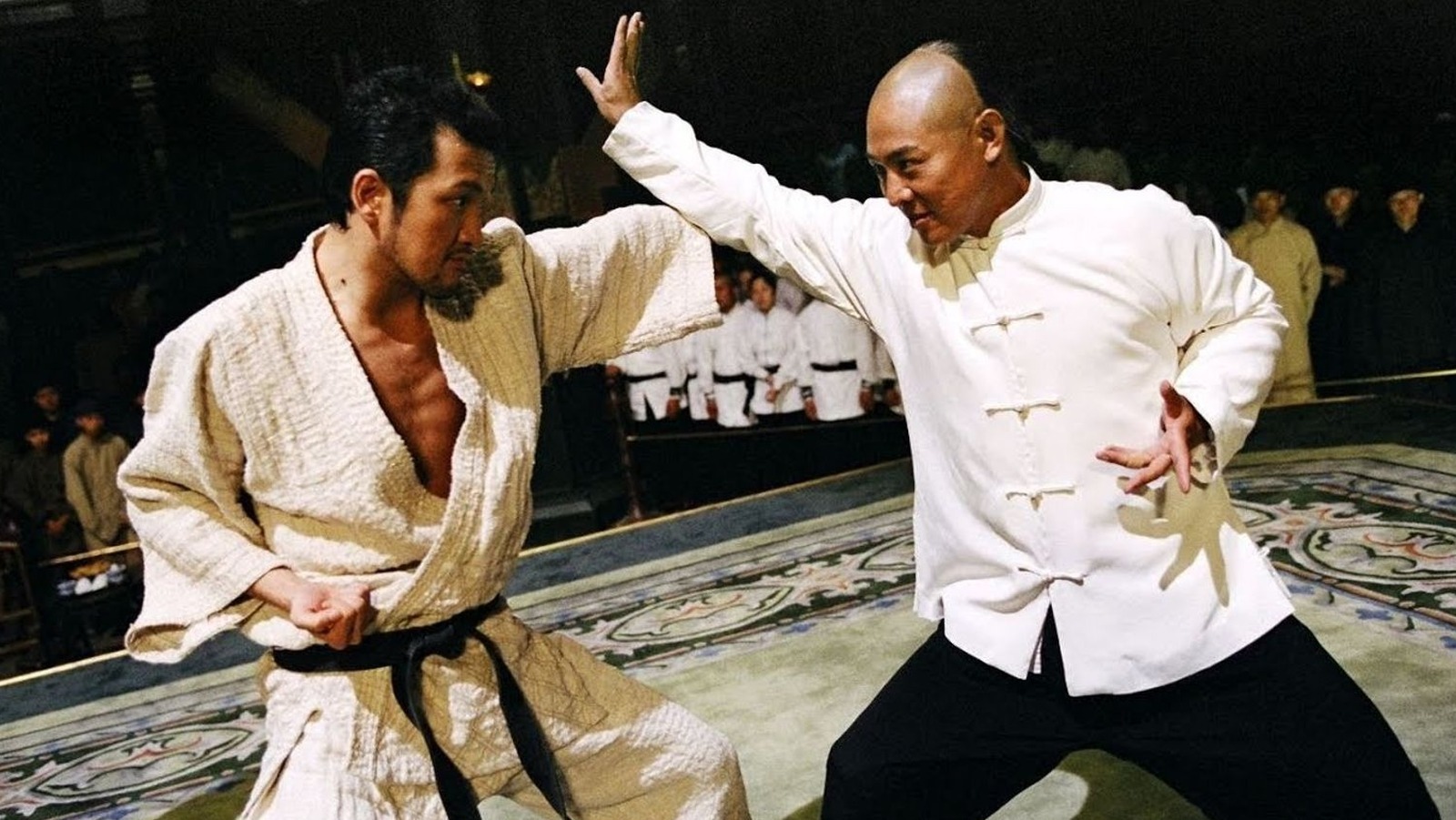
Wu Shu
Wushu is the all-encompassing term for the traditional and contemporary martial arts of China. It is a highly developed discipline that integrates both "external" physical training — focusing on speed, power, structural integrity, and explosive movement — and "internal" development, which cultivates breath control, intent, and kinetic energy flow. Wushu is characterized by its visual and technical complexity, utilizing a vast range of acrobatic footwork, sweeping kicks, and flowing transitions. Whether practicing in a modern competitive context or a traditional cultural one, Wushu requires an elite level of body control. It is a systemic art where every movement is intentional, demanding that the practitioner maintain perfect balance, posture, and coordination while moving through high-speed combinations of strikes and defensive maneuvers.
· Discipline 04 ·
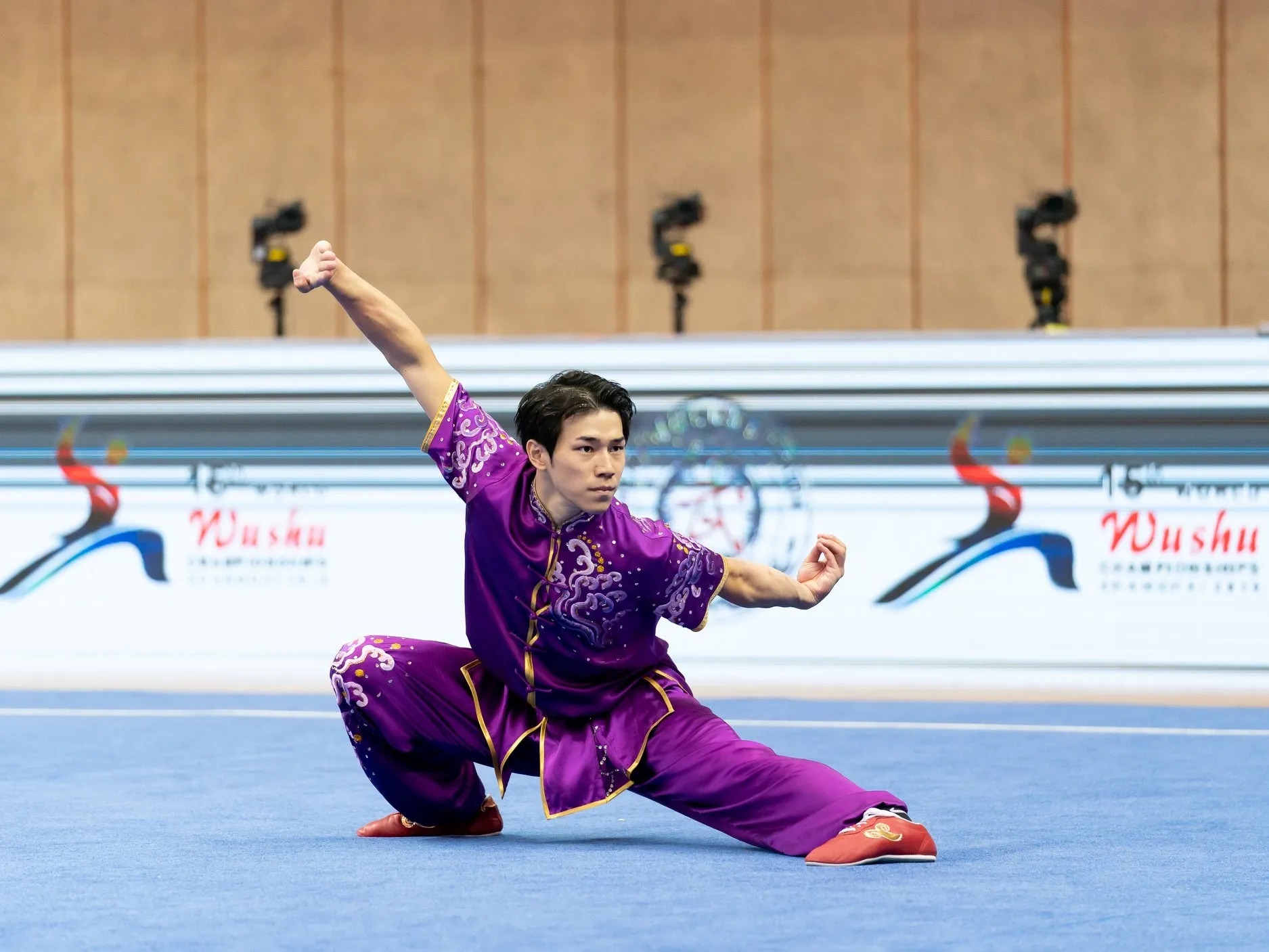
K-Jujitsu / K-Judo
Korean Yusul / Yudo
Yusul (Jujutsu) is a foundational martial art rooted in the principles of battlefield survival, focusing on joint locks, throws, immobilization, and submission techniques.
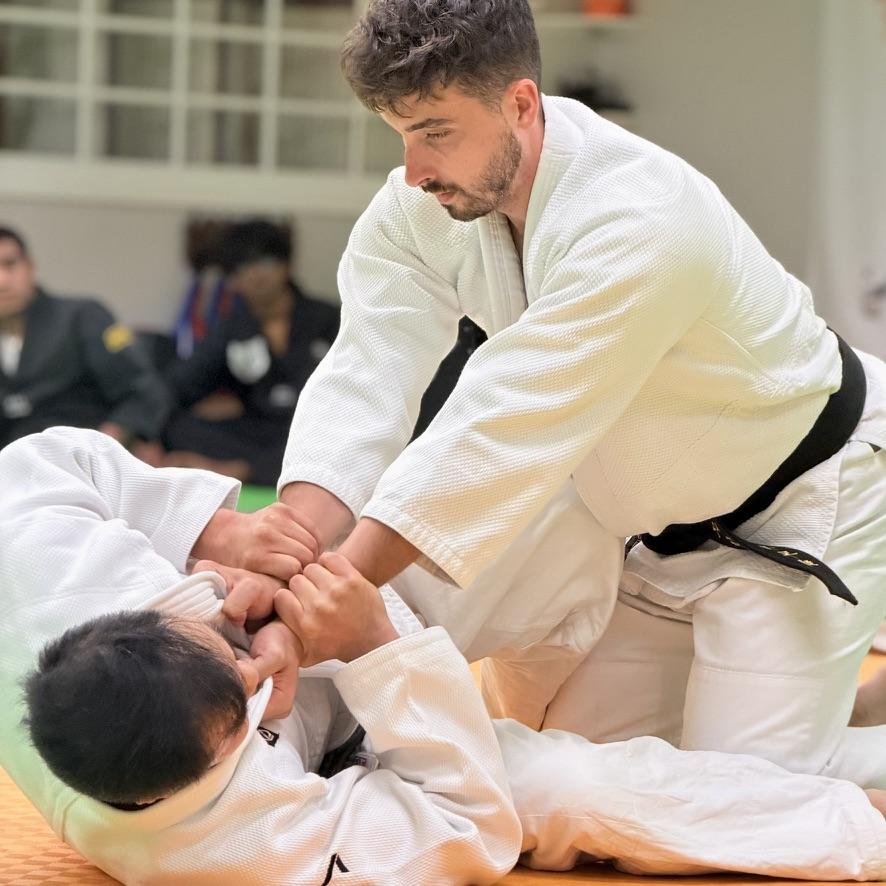
Our approach is deeply informed by the expertise of the Korea Yusul Federation. This organization meticulously integrated historical knowledge with modern tactical advancements, blending classical techniques with refined Korean methodologies. This synthesis serves as the foundation for the curriculum taught at the prestigious Yong In University (Yudo), ensuring a system that is both historically authentic and scientifically rigorous.
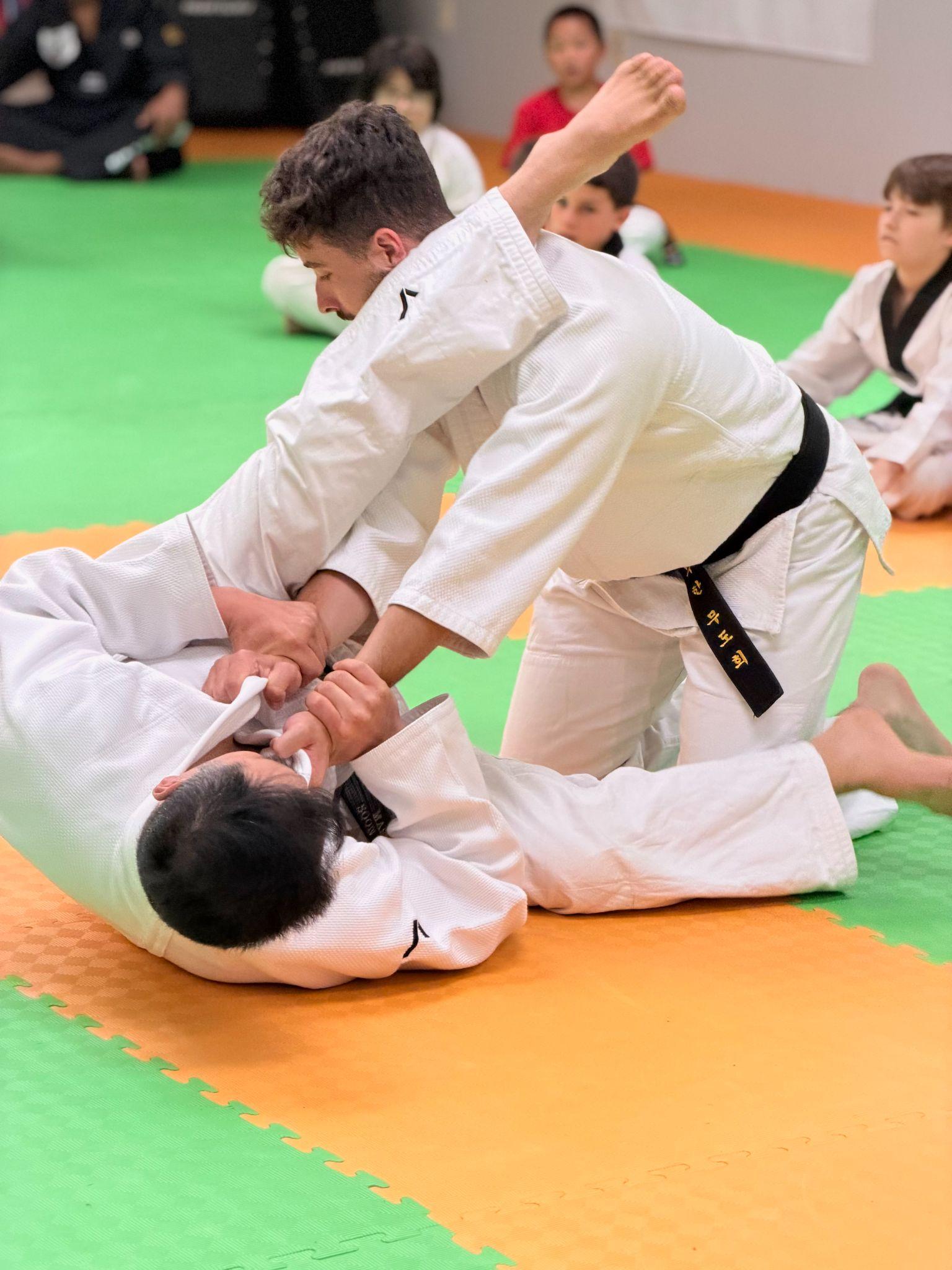
Rooted in the traditional Japanese culture from which Jujutsu emerged, Reigi—the code of formal courtesy, bow, and mutual respect—is not treated as mere ceremony on our mats. Because battlefield techniques carry a genuine risk of injury, this traditional etiquette functions as an active safety protocol. Acknowledging the inherent power of these movements transforms respect from simple politeness into absolute physical control, spatial vigilance, and a protective responsibility for one's training partner.
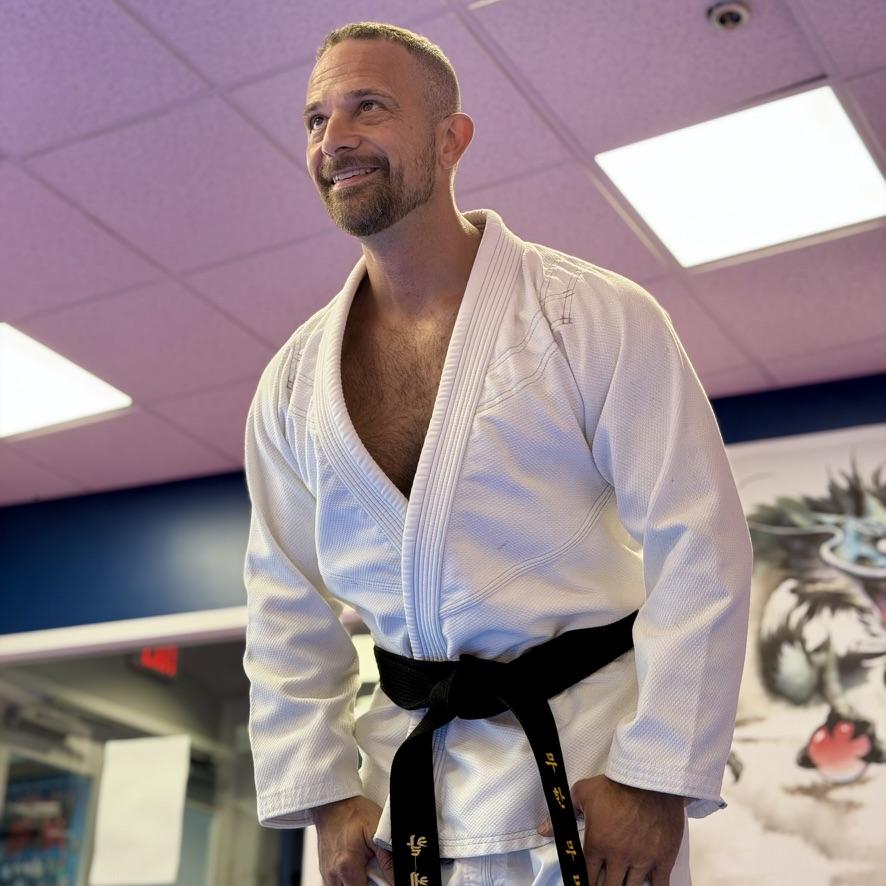
Informed by the Korea Yusul Federation · curriculum of Yong In University (Yudo).
· Discipline 05 ·
Kumdo
Kendo
Kendo, or "The Way of the Sword," is a modern Japanese martial art that refines the ancient strategies and techniques of the samurai into a disciplined, high-intensity practice. Utilizing the shinai (bamboo sword) and bōgu (protective armor), Kendo allows practitioners to engage in full-contact training that emphasizes timing, distance, and precision. It is a system built upon the principle of Shin-ki-ryoku-itchi — the unification of the mind, the spirit, and the technique. Because Kendo requires a practitioner to strike at high speed with total commitment, it demands a calm, alert mind and a stable, explosive physical posture. It is a rigorous pursuit of tactical excellence, where students learn to read an opponent's intent, cultivate unwavering focus, and execute decisive movements with clarity and respect.
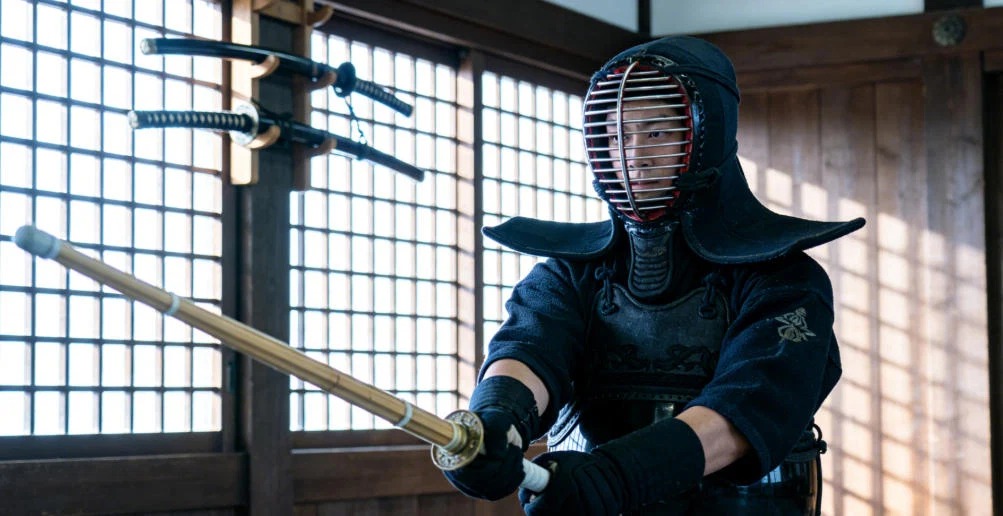
Historically, all empty-hand martial arts were born from weapon-based combat—tactics adapted for when a warrior was disarmed or forced into close-quarters survival. Over centuries, training shifted toward modern, unarmored empty-hand disciplines. Kumdo completes our curriculum by tracing this evolution back to its origin.
As the final art we offer, Kumdo brings the martial artist full circle. After years of refining physical mechanics through unarmed practice, stepping onto the mat with a sword changes your perspective entirely. Practicing the blade reveals the historical blueprint behind every stance, strike, and block taught in modern martial arts. Returning to weapon-based training connects past and present, offering students a profound realization of how our arts came to be and completing their journey as total martial artists.
Certified through the Korean Kumdo Association.